

Leather Jacket Sleeve length adjustments
Expert Slimming and Shortening Services in Watford
A leather jacket represents a significant investment in your wardrobe. When the sleeves are too long or too loose, even the finest jacket loses its appeal. Many people struggle with ill-fitting leather jacket sleeves that bunch up at the wrists or hang past their hands.
At B X Tailor & Alteration Watford, we specialise in precise leather jacket sleeve length adjustments. Our expert team has transformed hundreds of leather jackets for customers across Watford, Hendon, Rickmansworth, and surrounding areas.
This comprehensive guide explains everything about leather jacket sleeve alterations. You will learn about the slimming and shortening process, costs, and what to expect from professional tailoring services.
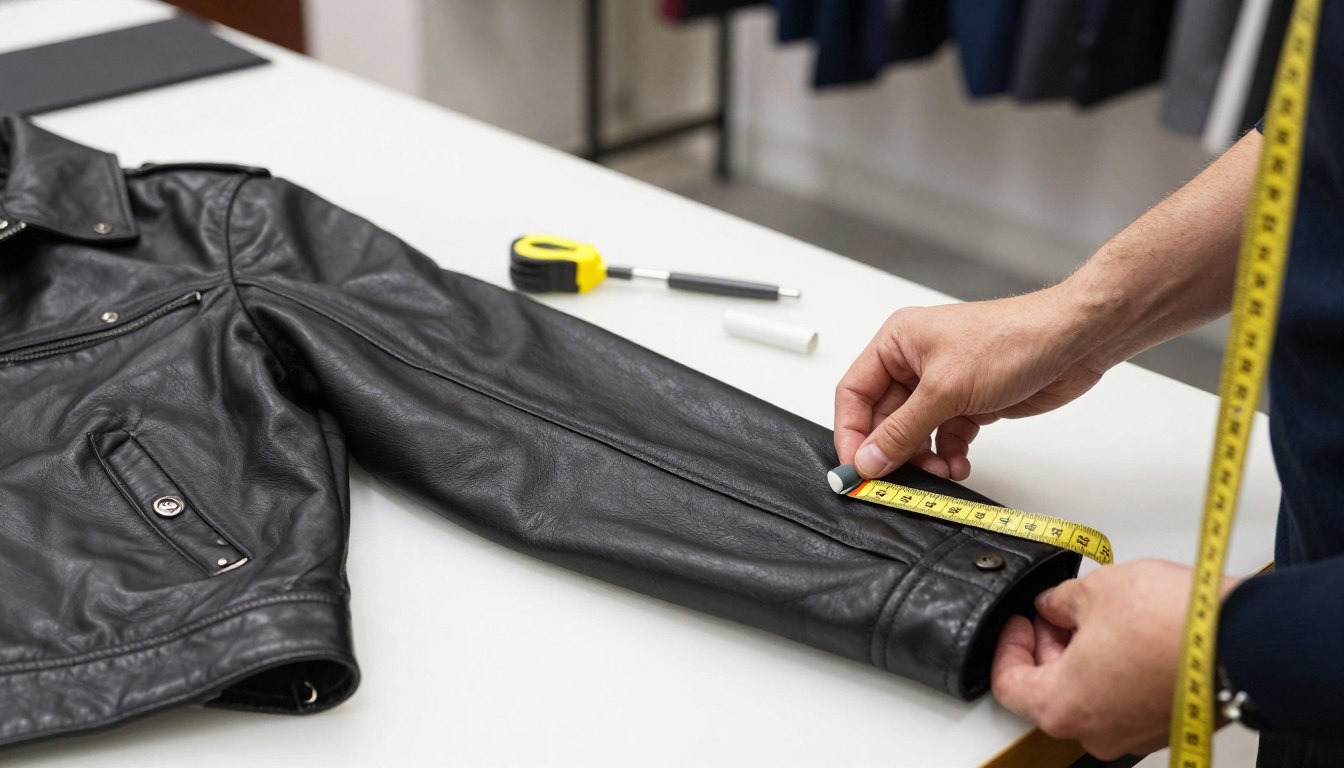
Understanding Leather Jacket Sleeve Length Adjustments
Leather jacket sleeve length adjustments involve modifying the sleeves to achieve the perfect fit. Unlike fabric jackets, leather requires specialised knowledge and equipment. The material does not forgive mistakes.
Professional tailors assess your jacket before making any cuts. They consider the leather type, lining construction, and original stitching. Each leather jacket presents unique challenges that require expert handling.
Why Proper Sleeve Length Matters
The correct sleeve length dramatically affects your appearance. Sleeves that are too long create a sloppy, ill-fitted look. They bunch at the wrists and make the entire jacket appear oversized.
Sleeves that end at your wrist bone provide the ideal length. This allows for slight movement when you raise your arms. The jacket maintains its sophisticated appearance whilst providing full functionality.
Proper fit also protects the leather. Excess fabric creates unnecessary wear points. Shortened sleeves reduce friction and extend the jacket’s lifespan.
The Difference Between Slimming and Shortening
Sleeve Shortening
Sleeve shortening reduces the overall length of the jacket sleeves. The tailor removes excess material from either the shoulder or the cuff area. This alteration addresses sleeves that extend too far past your wrists.
- Removes length from sleeve
- Maintains sleeve width
- Adjusts cuff position
- Preserves shoulder fit
Sleeve Slimming
Sleeve slimming reduces the circumference of the jacket sleeves. The tailor takes in excess material along the entire sleeve length. This creates a more tailored, contemporary silhouette without changing length.
- Reduces sleeve width
- Creates fitted appearance
- Maintains original length
- Modern aesthetic
The Professional Leather Jacket Alteration Process
Understanding the alteration process helps you appreciate the craftsmanship involved. Quality leather jacket sleeve length adjustments require multiple steps. Each stage demands precision and expertise.
Initial Assessment and Measurement
Your tailor begins with a thorough assessment. They examine the leather type, current construction, and lining system. Different leathers behave differently during alterations.
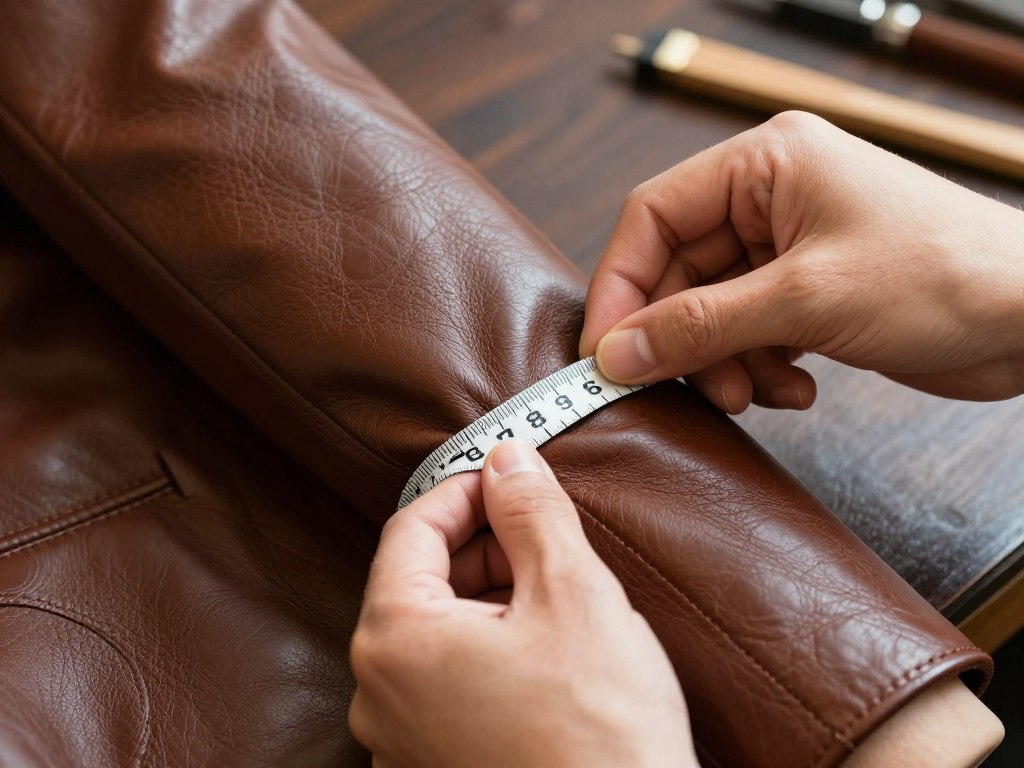
Precise measurements follow the initial inspection. The tailor measures your arm length, shoulder width, and desired sleeve position. They mark the leather carefully using specialised tools.
The assessment also identifies potential challenges. Some jackets feature intricate lining systems or decorative stitching. These elements require extra care during the alteration process.
- Examine leather quality and type
- Assess current construction methods
- Take precise arm measurements
- Mark alteration points carefully
- Identify potential complications
- Discuss desired final appearance
- Provide time and cost estimate
Sleeve Disassembly and Preparation
The tailor carefully removes the existing stitching. This process requires patience and skill. Rushing can damage the leather permanently.
The lining comes out first. Most leather jackets feature separate interior linings that must be detached. The tailor preserves these components for reassembly.
For sleeve shortening, the cuff area receives special attention. Zippers, buttons, or other hardware may need temporary removal. The tailor catalogues each component to ensure proper reinstallation.
Cutting and Reshaping
This stage represents the point of no return. The tailor cuts the leather according to the marked measurements. Specialised cutting tools ensure clean, precise edges.
For slimming alterations, the tailor removes material along the sleeve’s length. They maintain consistent tapering from shoulder to cuff. The goal is a natural, proportional appearance.
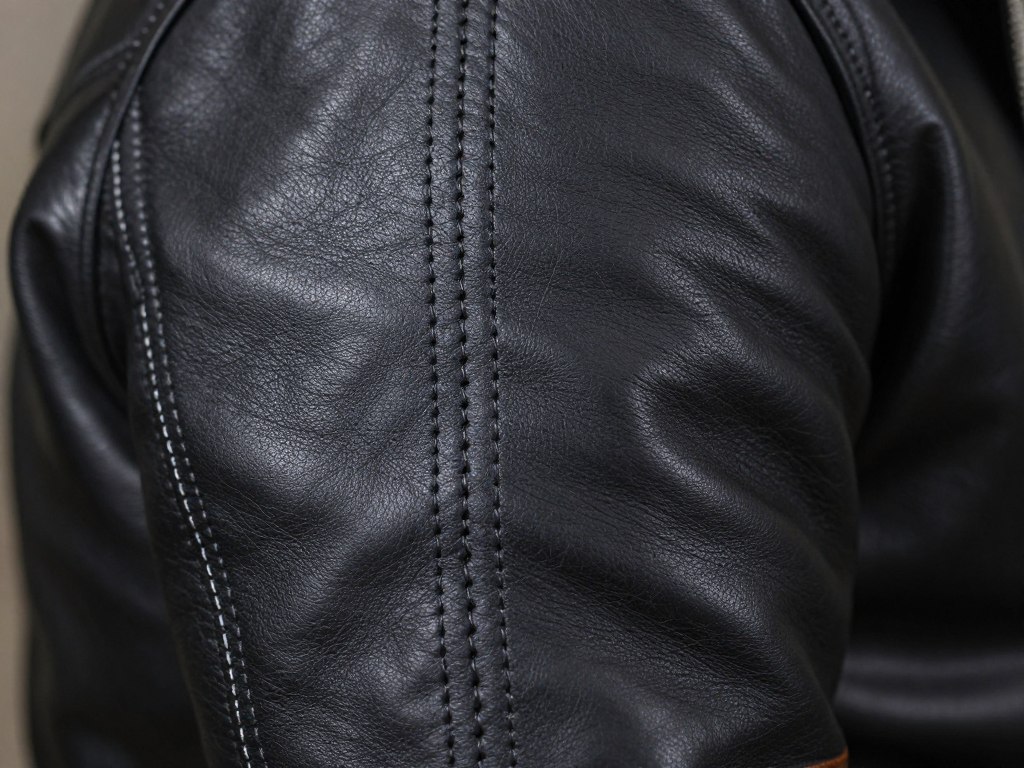
Shortening alterations involve removing a section of the sleeve. The tailor must match the original construction when reassembling. This includes recreating stitching patterns and hardware placement.
Ready to Perfect Your Leather Jacket Fit?
Our expert tailors have successfully altered hundreds of leather jackets. We understand the unique requirements of leather work. Book your consultation today.
Stitching and Reassembly
Professional leather stitching requires industrial equipment. Standard sewing machines cannot penetrate thick leather consistently. Specialized machines use heavy-duty needles and reinforced thread.
The tailor recreates the original stitch pattern. This maintains the jacket’s authentic appearance. Matching thread colour ensures invisible alterations.
Lining reattachment follows the exterior work. The tailor carefully positions the interior fabric. Proper lining installation prevents bunching and maintains comfort.
Final Inspection and Quality Control
Every altered jacket undergoes rigorous inspection. The tailor checks stitch integrity, sleeve symmetry, and overall appearance. Any imperfections receive immediate correction.
The jacket is tried on again. This final fitting ensures the alterations meet expectations. Minor adjustments can still be made at this stage.
Quality control also includes checking all hardware. Zippers must operate smoothly. Buttons should sit flush against the leather. Every detail matters.
Leather Jacket Sleeve Shortening: What You Need to Know
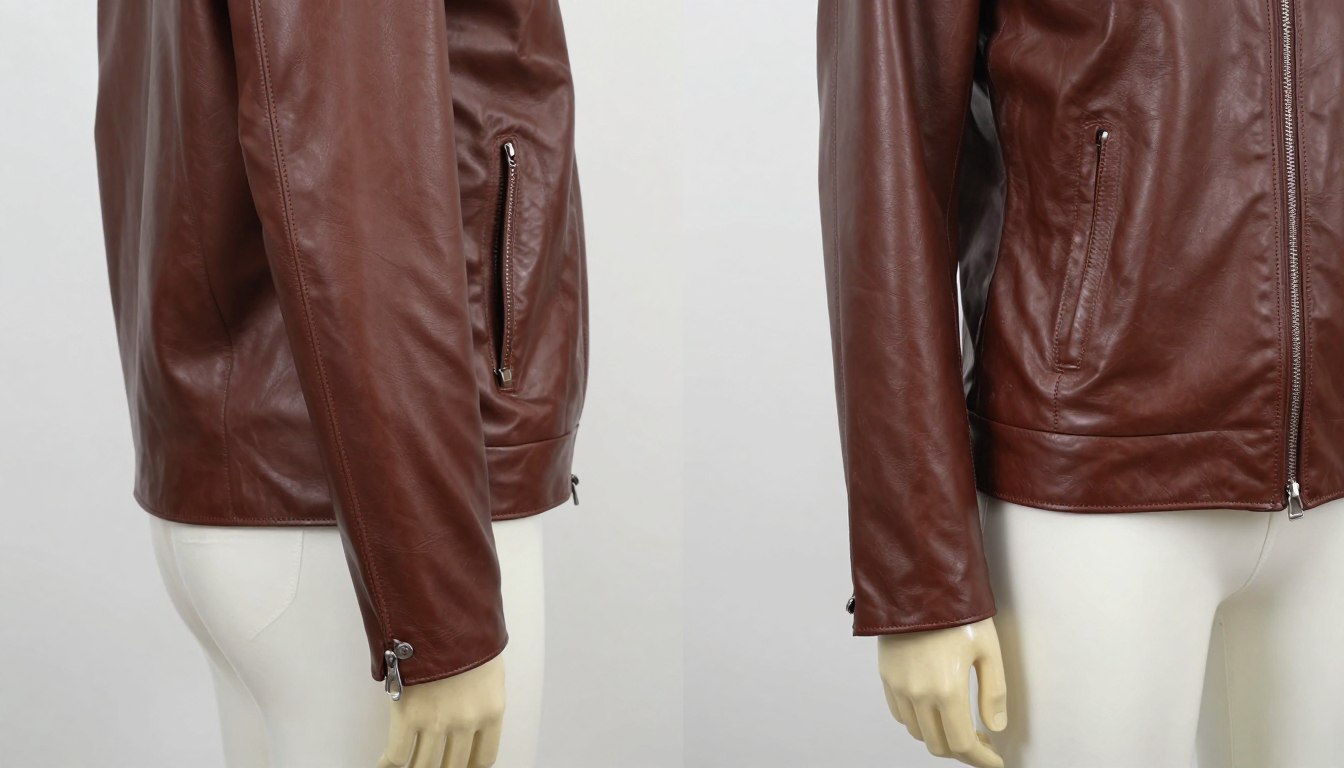
Sleeve shortening remains the most requested alteration for leather jackets. Most people find off-the-rack sleeves extend too far down their hands. Professional shortening solves this common problem.
Methods of Sleeve Shortening
Two primary methods exist for shortening leather jacket sleeves. Each approach suits different jacket styles and construction types.
Shortening from the Cuff
This method removes material from the sleeve’s bottom edge. The tailor opens the cuff, removes excess leather, and reattaches the cuff components. This approach works well for jackets with simple cuff designs.
Cuff shortening preserves the shoulder and armhole construction. The upper portion of the sleeve remains unchanged. This method typically costs less than shoulder alterations.
However, cuff shortening has limitations. It cannot address sleeve width issues. The method also proves challenging for jackets with integrated zippers or decorative cuff elements.
Shortening from the Shoulder
Shoulder shortening involves more extensive work. The tailor detaches the entire sleeve from the jacket body. Material is removed from the sleeve’s top portion, then the sleeve is reattached.
This method maintains all cuff details intact. Zippers, snaps, and decorative elements remain undisturbed. The approach suits jackets with complex cuff construction.
Shoulder shortening requires advanced tailoring skills. The process takes longer and costs more. However, it delivers superior results for high-end leather jackets.
Ideal Sleeve Length for Different Jacket Styles
| Jacket Style | Ideal Sleeve Length | Key Considerations |
| Motorcycle Jacket | Just past wrist bone | Allows for riding position and movement |
| Bomber Jacket | At wrist bone | Clean, classic appearance |
| Blazer Style | Half inch past wrist | Shows shirt cuff slightly |
| Casual Jacket | At wrist bone | Comfortable, unrestricted movement |
| Racing Jacket | Covers wrist completely | Protection during extended arm position |
Common Sleeve Shortening Challenges
Certain jacket features complicate the shortening process. Understanding these challenges helps set realistic expectations.
Integrated Zippers
Many leather jackets feature zippers that run the full sleeve length. These zippers cannot be shortened easily. The tailor must either replace the zipper or work around it.
Zipper replacement adds time and cost to the alteration. The new zipper must match the original in colour, size, and style. Finding exact matches can be challenging for vintage jackets.
Multiple Layers and Thick Lining
High-quality leather jackets often feature multiple interior layers. These may include thermal lining, quilted padding, or reinforcement panels. Each layer must be shortened individually.
The tailor must maintain proper alignment between all layers. Misalignment creates bunching and discomfort. This meticulous work extends the alteration time.
Decorative Stitching and Details
Some jackets feature decorative stitching patterns on the sleeves. These designs add visual interest but complicate alterations. The tailor must recreate these patterns after shortening.
Pattern recreation requires skill and attention to detail. Thread colour matching becomes critical. The goal is making the alteration invisible.
Schedule Sleeve Shortening Consultation
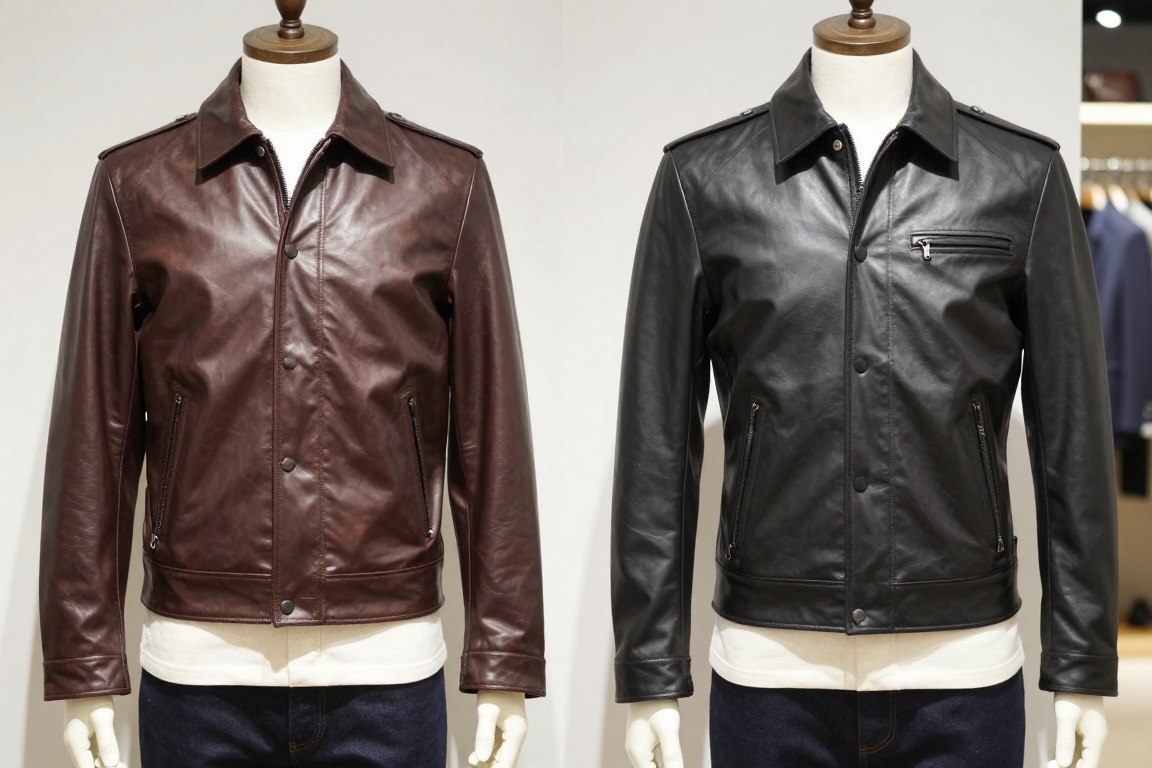
Leather Jacket Sleeve Slimming for Modern Fit
Fashion trends favour slimmer silhouettes. Vintage leather jackets often feature wider, boxier sleeves. Slimming these sleeves modernizes the jacket whilst maintaining its character.
The Sleeve Slimming Process
Slimming leather jacket sleeves requires removing material from the sleeve’s inner seam. The tailor creates a gradual taper from shoulder to cuff. This produces a natural, proportional appearance.
The process begins with the sleeve lining removal. The tailor marks the new seam line along the sleeve’s length. Careful measurement ensures both sleeves receive identical treatment.
Material removal must account for the leather’s thickness. Unlike fabric, leather does not compress or gather easily. The tailor removes exact amounts to achieve the desired fit.
How Much Can Sleeves Be Slimmed?
The degree of slimming depends on several factors. Original sleeve width, leather thickness, and lining construction all play roles. Most sleeves can be reduced by one to three inches in circumference.
Excessive slimming creates movement restrictions. The jacket should allow comfortable arm motion. Your tailor will recommend appropriate reduction amounts.
Some jackets have limited slimming potential. Set-in sleeves with minimal ease cannot be dramatically reduced. Raglan or kimono sleeves offer more flexibility.
Benefits of Sleeve Slimming
- Creates contemporary, tailored appearance
- Updates vintage jacket styling
- Improves overall jacket proportions
- Enhances body silhouette
- Increases versatility for layering
- Maintains original sleeve length
- Reduces fabric bunching
Considerations Before Slimming
- Permanent alteration cannot be reversed
- May restrict arm movement if excessive
- Requires sleeve lining adjustment
- Costs more than simple shortening
- Not suitable for all jacket styles
- Takes longer to complete
- Requires expert tailoring skills
Combining Slimming and Shortening
Many customers request both alterations simultaneously. This combination achieves the perfect fit. The jacket gains modern proportions whilst maintaining appropriate length.
Combined alterations offer cost advantages. The tailor performs both modifications during one session. This reduces overall labour time and expense.
The combined approach also ensures consistency. Both sleeves receive identical treatment. The final result shows perfect symmetry.
Jacket Sleeve Alteration for Different Body Types
Body proportions influence ideal sleeve fit. Athletic builds may require different adjustments than slim frames. Your tailor considers these factors during consultation.
Athletic Build Considerations
Muscular arms require careful slimming. The jacket must accommodate the arm’s natural shape. Excessive reduction creates uncomfortable tightness.
Shoulder width affects sleeve appearance. Broader shoulders may need minimal slimming to maintain proportion. The tailor balances modern fit with comfort.
Slim Frame Adjustments
Slimmer builds benefit most from sleeve slimming. Reducing excess fabric creates a more polished appearance. The jacket appears custom-made rather than off-the-rack.
Length adjustments often prove more critical for slim frames. Standard jacket sizes may feature excessively long sleeves. Shortening becomes essential for proper fit.
Call for Slimming Services: +44 19 2351 0751
Choosing the Right Tailor for Leather Jacket Alterations
Not all tailors possess leather working expertise. Standard fabric tailoring differs significantly from leather alteration. Choosing the wrong tailor risks damaging your valuable jacket.
Essential Qualifications to Look For
Experience with leather proves crucial. Ask potential tailors about their leather working history. Request examples of previous leather jacket alterations.
Specialized equipment indicates serious capability. Leather requires industrial sewing machines. Hand tools for leather cutting and finishing show professional commitment.
Portfolio review provides valuable insight. Examine before and after photographs. Look for clean stitching, invisible alterations, and satisfied customer testimonials.
Signs of Expert Leather Tailor
- Extensive leather alteration portfolio
- Industrial leather sewing equipment
- Specific leather working tools
- Detailed consultation process
- Realistic time estimates
- Clear pricing structure
- Written alteration guarantees
- Customer testimonials for leather work
Red Flags to Avoid
- No leather alteration examples
- Standard fabric equipment only
- Vague or rushed consultation
- Unrealistically quick turnaround promises
- No pricing transparency
- Unwilling to discuss process
- No quality guarantees offered
- Negative reviews about leather work
Questions to Ask Your Tailor
A comprehensive consultation reveals tailor expertise. Prepare specific questions before your appointment. The responses help you make informed decisions.
How many leather jackets have you altered?
Experience matters significantly with leather work. Look for tailors who have completed hundreds of leather alterations. Specific numbers demonstrate genuine expertise rather than occasional leather projects.
Which alteration method do you recommend for my jacket?
Expert tailors assess each jacket individually. They should explain why specific methods suit your particular jacket. Recommendations based on construction, leather type, and desired outcome show professional knowledge.
What is the estimated completion time?
Realistic timeframes indicate honesty and professionalism. Leather alterations typically require one to three weeks. Rush jobs may compromise quality. Be wary of same-day or next-day promises for leather work.
Do you offer any guarantees on your work?
Quality tailors stand behind their work. Look for guarantees covering stitching integrity and proper fit. Written guarantees provide additional peace of mind for expensive leather jacket alterations.
Why Choose B X Tailor for Leather Jacket Sleeve Length Adjustments
B X Tailor & Alteration Watford specialises in leather jacket alterations. Our team has perfected sleeve length adjustments for hundreds of satisfied customers. We understand the unique requirements of leather work.
Our Watford location serves customers throughout the region. We welcome clients from Hendon, Rickmansworth, Harrow, Stanmore, St Albans, Harpenden, Hemel Hempstead, and Brent Cross. Customers also visit us from Amersham, Northwood, Beaconsfield, Chalfont St Peter, Kings Langley, Cricklewood, Borehamwood, and Bushey.
Understanding Alteration Costs and Timeframes
Leather jacket alteration costs vary based on complexity. Understanding pricing factors helps you budget appropriately. Transparent pricing reflects professional business practices.
Factors Affecting Alteration Costs
Several elements influence the final alteration cost. Leather type plays a significant role. Thick motorcycle jacket leather requires more time and specialized needles than thin lambskin.
Construction complexity affects pricing. Simple sleeve structures cost less to alter than those with multiple layers or integrated features. Zippers, decorative stitching, and unique hardware increase labour requirements.
The alteration type also impacts cost. Basic sleeve shortening typically costs less than combining shortening with slimming. Each additional modification adds to the total price.
Typical Price Ranges
Sleeve shortening generally ranges from £40 to £80 per jacket. Simple cuff shortening falls at the lower end. Shoulder shortening with complex construction reaches the higher range.
Sleeve slimming costs between £60 and £120. The price reflects the extensive work involved. Both sleeves must be perfectly matched for symmetrical appearance.
Combined alterations often offer better value. Tailors may discount combined services since they work on the jacket simultaneously. Total costs for both services typically range from £90 to £180.
Important Note: These prices represent general market ranges. Specific costs depend on individual jacket characteristics and tailor rates. Always request detailed quotes before authorizing work.
Expected Timeframes for Completion
Quality leather alterations require time. Rushing compromises results. Professional tailors provide realistic completion estimates.
Standard sleeve shortening takes one to two weeks. This allows for proper assessment, careful work, and quality control. Complex alterations may require three weeks.
Seasonal demand affects turnaround times. Autumn and winter see increased alteration requests. Plan ahead during peak seasons. Summer months often offer quicker service.
At B X Tailor, we provide accurate timeframe estimates during consultation. We never compromise quality for speed. Your satisfaction remains our priority.
Finding a Cheap Tailor Near Me: Quality vs Cost
Searching for a cheap tailor near me tempts many jacket owners. However, leather work demands expertise. The cheapest option rarely delivers the best results.
Poor alterations can permanently damage leather jackets. Incorrect cuts cannot be reversed. Weak stitching fails under stress, potentially ruining the entire garment.
Value differs from cheapness. Fair pricing from experienced tailors protects your investment. The cost of botched work always exceeds quality alteration prices.
Budget Alterations
Lower costs but potential quality concerns. May lack specialized leather equipment. Limited experience increases risk of errors.
- £30-£50 price range
- Basic equipment
- Limited experience
- Higher risk
Economy Option
Professional Service
Balanced pricing with proven expertise. Specialized equipment and experienced staff. Quality guarantees protect your investment.
- £60-£100 price range
- Professional equipment
- Proven experience
- Quality guaranteed
Best Value
Premium Alterations
Highest quality for designer pieces. Specialized in luxury leather brands. Extended warranties and concierge service.
- £120+ price range
- Luxury specialization
- Master craftsmen
- Extended warranty
Premium Option
Suit Jacket Taper and Leather Jacket Styling
Suit jacket taper principles apply to leather jacket alterations. Modern tailoring emphasizes clean lines and fitted silhouettes. These concepts translate effectively to leather outerwear.
Applying Tailoring Principles to Leather Jackets
Suit jacket construction influences leather jacket alterations. The taper from shoulder to waist creates a flattering V-shape. Sleeve tapering follows similar principles.
Proper sleeve taper begins at the shoulder. The widest point gradually narrows toward the wrist. This creates visual flow and modern aesthetic appeal.
Unlike suit jackets, leather jackets require modified approaches. The material’s rigidity limits certain techniques. Experienced tailors adapt traditional methods for leather characteristics.
Body Tapering and Sleeve Relationship
Sleeve alterations should complement overall jacket fit. Slimmed sleeves paired with a boxy body create imbalance. Comprehensive alterations produce cohesive results.
Many customers combine sleeve work with body tapering. This transforms oversized vintage jackets into contemporary pieces. The entire silhouette gains modern proportions.
B X Tailor offers complete jacket transformations. Our team assesses the entire garment during consultation. We recommend complementary alterations for optimal results.
Traditional Fit Characteristics
- Wider shoulder line
- Straight sleeve construction
- Boxy body silhouette
- Loose armhole fit
- Extended sleeve length
- Classic, timeless appearance
Modern Tapered Fit Features
- Natural shoulder line
- Tapered sleeve design
- Fitted body contour
- Higher armhole position
- Precise sleeve length
- Contemporary, sleek look
Caring for Your Altered Leather Jacket
Proper care extends the life of your altered leather jacket. The alteration areas require special attention. Following care guidelines protects your investment.
Immediate Post-Alteration Care
Allow newly altered areas to settle. Avoid wearing the jacket for 24 hours after collection. This lets the leather and stitching stabilize.
Inspect all altered areas carefully. Check stitching integrity and sleeve symmetry. Report any concerns immediately. Reputable tailors address issues promptly.
Condition the leather after alterations. The process may dry certain areas. Quality leather conditioner restores moisture and flexibility.
Long-Term Maintenance
Regular conditioning prevents leather deterioration. Apply leather conditioner every three to six months. Focus on high-stress areas including sleeve seams.
Store jackets properly between seasons. Use padded hangers that support shoulder structure. Avoid wire hangers that create distortion.
Clean spills immediately. Liquid absorption into leather causes permanent staining. Blot rather than rub when addressing spills.
Avoid These Common Mistakes: Never machine wash leather jackets. Do not expose to direct heat sources. Avoid harsh chemical cleaners. These practices damage leather and compromise alterations.
When to Seek Professional Cleaning
Professional leather cleaning proves necessary periodically. Specialists use appropriate techniques for leather types. Annual professional cleaning maintains appearance and longevity.
Deep stains require expert attention. Home remedies often worsen problems. Professional cleaners possess specialized products and knowledge.
Altered areas may need occasional reinforcement. Stitching endures stress over time. Professional inspection identifies potential issues early.
Frequently Asked Questions About Leather Jacket Sleeve Alterations
Customers often have similar questions about leather jacket alterations. These answers address the most common concerns and queries.
Can all leather jackets be altered?
Most leather jackets accept alterations successfully. However, extremely thin or damaged leather may not withstand the process. Very cheap synthetic leather alternatives often prove unsuitable. Your tailor assesses viability during initial consultation. Quality genuine leather provides the best alteration results.
Will alterations damage my leather jacket?
Professional alterations performed by experienced leather tailors rarely cause damage. The process actually extends jacket usability by improving fit. Amateur attempts or inexperienced tailors create risks. Choose qualified professionals with proven leather working expertise. Proper techniques preserve and enhance leather jackets.
How long do sleeve alterations last?
Quality alterations last the lifetime of the jacket. Professional stitching using appropriate thread provides permanent results. The altered areas often prove stronger than original construction. Proper care and maintenance ensure longevity. Regular conditioning protects both original and altered sections.
Can alterations be reversed if I change my mind?
Sleeve shortening cannot be reversed. Once leather is cut, material cannot be added back. Slimming alterations also prove permanent. Consider alterations carefully before proceeding. Consult with your tailor about fit preferences. Most satisfied customers never regret properly executed alterations.
Should I alter vintage leather jackets?
Vintage jacket alterations require special consideration. Rare or collectible pieces may lose value if altered. Common vintage jackets benefit from modernization. Improved fit makes unworn jackets wearable. Consult vintage clothing experts for valuable pieces. Everyday vintage jackets make excellent alteration candidates.
What if my jacket has unique features or hardware?
Experienced tailors handle unique features regularly. Zippers, decorative studs, and patches require careful work. Your tailor may need to temporarily remove certain elements. These components are reinstalled after alteration completion. Discuss specific features during consultation. Professional tailors accommodate complex designs.
Can you match the original stitching?
Professional tailors recreate original stitching patterns precisely. Thread colour matching ensures invisible alterations. Industrial machines duplicate original stitch density. The goal is seamless integration. Most alterations prove undetectable to casual observation. Only extreme scrutiny might reveal modification.
What happens to the removed leather?
Tailors typically retain removed leather sections temporarily. This allows for potential adjustments if needed. After final approval, excess leather may be discarded. Some customers request the material for other projects. Discuss your preferences during initial consultation. Removed sections offer no practical reattachment value.
Book Your Leather Jacket Sleeve Alteration Today
Transform your leather jacket with professional sleeve length adjustments from B X Tailor & Alteration Watford. Our experienced team delivers exceptional results for every client.
We serve customers throughout Watford, Hendon, Rickmansworth, Harrow, Stanmore, St Albans, Harpenden, and Hemel Hempstead. Clients also visit from Brent Cross, Amersham, Northwood, Beaconsfield, Chalfont St Peter, Kings Langley, Cricklewood, Borehamwood, and Bushey.
Our convenient Watford location provides easy access for all surrounding areas. Free parking nearby ensures hassle-free visits. Professional consultation helps you make informed alteration decisions.
Ready for the Perfect Fit?
Schedule your consultation today. Our expert tailors will assess your leather jacket and recommend the best alteration approach. Experience the difference professional leather working makes.
Book Appointment Online Call Now: +44 19 2351 0751
What to Bring to Your Consultation
- The leather jacket requiring alterations
- Reference photos of desired fit (optional but helpful)
- Any specific measurement preferences
- Questions about the alteration process
- Budget considerations for discussion
Our Service Promise
B X Tailor & Alteration Watford guarantees quality workmanship on every leather jacket alteration. We use professional equipment and proven techniques. Your satisfaction drives our reputation.
Why Customers Choose B X Tailor
- Extensive leather alteration experience
- Industrial equipment for professional results
- Transparent pricing with detailed quotes
- Realistic timeframe estimates
- Quality guarantees on all work
- Convenient Watford location
- Serving entire regional area
- Friendly, knowledgeable staff
Visit Our Watford Location
Find us easily at our convenient Exchange Road location. Our professional shop provides comfortable consultation space. Browse examples of previous leather work during your visit.
B X Tailor & Alteration Watford
Unit 1 Wren House, 19/23 Exchange Road
Watford WD18 0JG
Phone: +44 19 2351 0751
Visit us at our convenient Watford location serving all surrounding areas
Schedule Your Consultation Now
Achieve the Perfect Leather Jacket Fit
Leather jacket sleeve length adjustments transform ill-fitting jackets into perfectly tailored garments. Professional slimming and shortening services create the ideal fit. Your leather jacket deserves expert attention.
Understanding the alteration process helps you make informed decisions. Quality workmanship protects your investment. The right tailor makes all the difference.
B X Tailor & Alteration Watford stands ready to perfect your leather jacket fit. Our experienced team combines technical skill with customer service excellence. We serve the entire Watford region with pride.
Do not settle for poor-fitting leather jacket sleeves. Professional alterations provide lasting solutions. Contact us today to begin your jacket transformation journey.
Your perfect leather jacket fit awaits. Book your appointment with B X Tailor & Alteration Watford now.